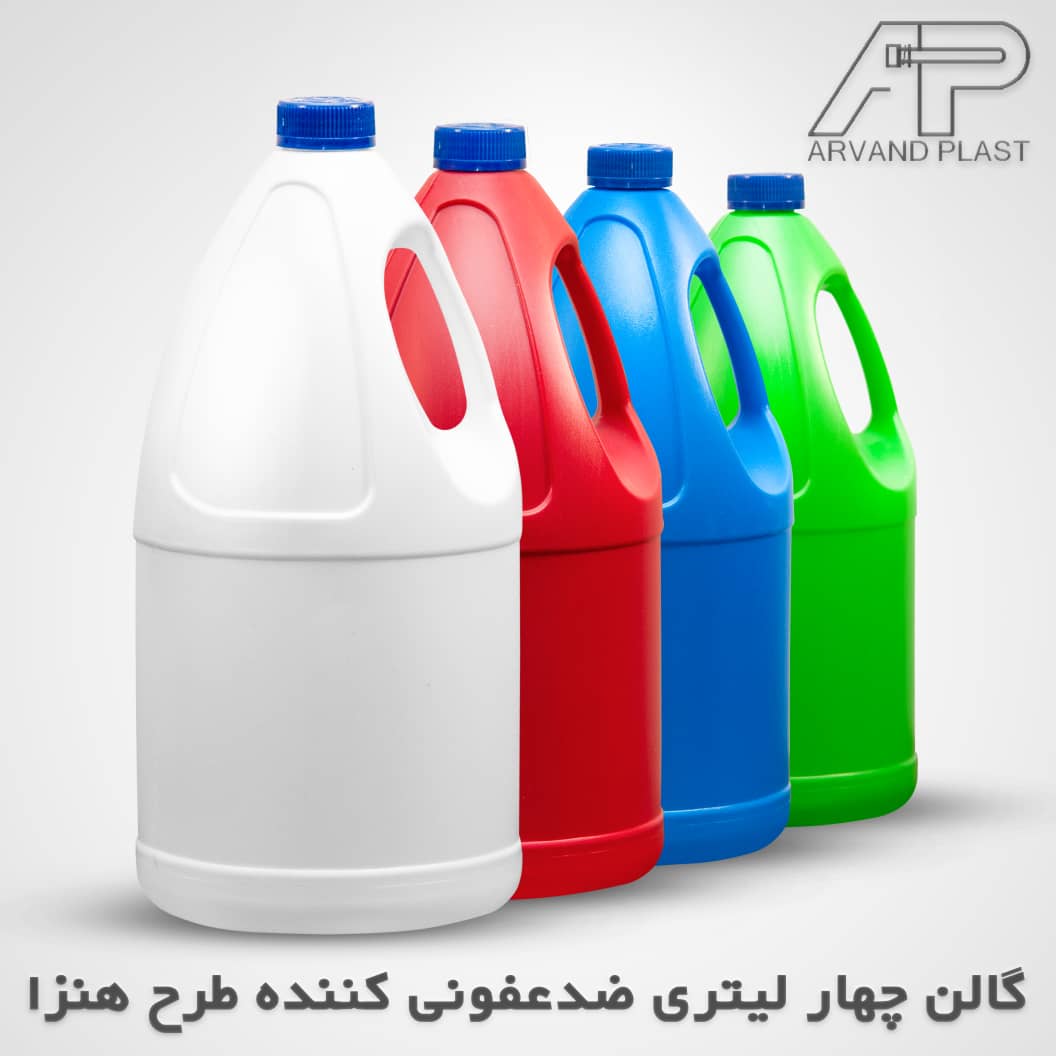
Detergent Polyethylene Bottles
- Material:
- Made from polyethylene (PE), which is a type of plastic known for its durability and resistance to chemicals.
- Common variants include high-density polyethylene (HDPE) and low-density polyethylene (LDPE).
- Characteristics:
- Chemical Resistance: Suitable for storing various detergents and cleaning agents.
- Lightweight: Easy to handle and transport.
- Recyclability: Many polyethylene bottles are recyclable, contributing to sustainability efforts.
- Design Features:
- Shapes: Often designed with a wide base for stability and a narrow neck for easy pouring.
- Closure Types: Typically equipped with screw caps or flip tops to prevent leakage.
- Labels: Usually have space for labels to indicate contents and safety information.
- Usage:
- Commonly used in households and industries for packaging laundry detergents, dish soaps, and other cleaning products.
- Environmental Considerations:
- Efforts are being made to improve recyclability and reduce plastic waste associated with these bottles.
What are the characteristics of a high-quality detergent polyethylene bottle?
High-quality detergent polyethylene bottles have several key characteristics that ensure durability, functionality, and safety. Here are the main features to consider:
Characteristics of High-Quality Detergent Polyethylene Bottles
- Material Quality:
- Type of Polyethylene: Typically made from high-density polyethylene (HDPE) for strength and chemical resistance.
- Food-Grade Compliance: If used for consumable products, ensure it meets food-grade standards.
- Chemical Resistance:
- Resistant to a wide range of detergents and cleaning agents, preventing degradation over time.
- Durability:
- Thick walls to withstand impact and prevent punctures or leaks.
- High tensile strength to endure handling during transport and storage.
- Design Features:
- Ergonomic Shape: Designed for easy gripping and pouring, often with a contoured shape.
- Wide Mouth Opening: Facilitates easy filling and cleaning.
- Stability: A wide base to prevent tipping over.
- Closure Mechanism:
- Secure Caps: Screw-on or flip-top caps that minimize leaks and spills.
- Tamper-Evident Seals: Ensures product integrity before use.
- Labeling Surface:
- Smooth surface for easy labeling, with space for safety warnings and usage instructions.
- Recyclability:
- Made from recyclable materials, contributing to environmental sustainability.
- Color and Opacity:
- Often opaque or tinted to protect contents from light exposure, which can degrade certain chemicals.
- Temperature Resistance:
- Capable of withstanding a range of temperatures without warping or leaking.
- Cost-Effectiveness:
- Competitive pricing while maintaining quality standards, ensuring value for manufacturers and consumers alike.
How is the production of detergent bottles in Iran?
The production of detergent bottles in Iran involves several key aspects:
- Material Sourcing:
- Polyethylene Production: Iran has a robust petrochemical industry, producing high-density polyethylene (HDPE) and low-density polyethylene (LDPE), which are essential for detergent bottle manufacturing.
- Manufacturing Process:
- Blow Molding: This is the most common method used to create polyethylene bottles. It allows for efficient production with varying sizes and shapes.
- Injection Molding: Sometimes used for caps and closures, ensuring a tight seal.
- Quality Standards:
- Manufacturers often adhere to national and international standards to ensure the quality and safety of the bottles, particularly for chemical resistance and durability.
- Market Demand:
- The demand for detergent bottles is closely tied to the cleaning product market, which has been growing in Iran due to increasing consumer awareness and urbanization.
- Environmental Concerns:
- There is a growing focus on sustainability, with some manufacturers exploring biodegradable options or increasing the recyclability of their products.
- Challenges:
- Economic sanctions and fluctuations in raw material prices can impact production costs and availability.
- Competition from imported products may also affect the local market.
- Innovation:
- Some companies are investing in new technologies to improve the efficiency of production and reduce environmental impact.
Overall, the production of detergent bottles in Iran is a significant part of the packaging industry, driven by local resources and market needs, while also facing various economic and environmental challenges.
How is the production of detergent bottles in Iran?
The export of polyethylene detergent bottles from Iran involves several important factors:
- Market Demand:
- There is a growing global demand for polyethylene bottles, particularly in emerging markets where the cleaning and detergent sectors are expanding.
- Production Capacity:
- Iran has a well-established petrochemical industry that produces high-quality polyethylene, making it a capable exporter of packaging materials, including detergent bottles.
- Quality Standards:
- Iranian manufacturers often meet international quality standards, which is crucial for exporting products to countries with strict regulations regarding packaging materials.
- Export Destinations:
- Key markets for exported polyethylene bottles may include neighboring countries in the Middle East as well as regions in Asia and Africa where demand for cleaning products is rising.
- Challenges:
- Sanctions: Economic sanctions can hinder trade and export activities, affecting the ability to reach international markets.
- Logistics: Transportation and shipping logistics can also pose challenges, particularly in securing reliable routes and managing costs.
- Competitive Pricing:
- Competitive pricing of Iranian products can make them appealing in the global market, but fluctuations in raw material costs can impact profitability.
- Sustainability Trends:
- Increasing global emphasis on sustainability may encourage Iranian manufacturers to innovate, such as producing recyclable or biodegradable options, potentially enhancing export opportunities.
- Regulatory Compliance:
- Adhering to the regulations of importing countries regarding plastic products and packaging is essential for successful exports.
Overall, while the export potential for polyethylene detergent bottles in Iran is promising due to local production capabilities and market demand, various challenges, particularly geopolitical and logistical issues, can impact the industry.
Arvandplast Group produces all kinds of polyethylene bottles, detergent bottles, bottle caps and bottle production molds in Iran; Our effort is the best quality and constant customer satisfaction
For more information and the journey of the product, you can contact the sales experts of the collection


